Finding the right commercial space is an important step for any growing business, but signing the lease is only part of the process. Before opening day, that space may need to be transformed to accommodate the way your business actually operates.
That transformation is known as a commercial tenant build-out.
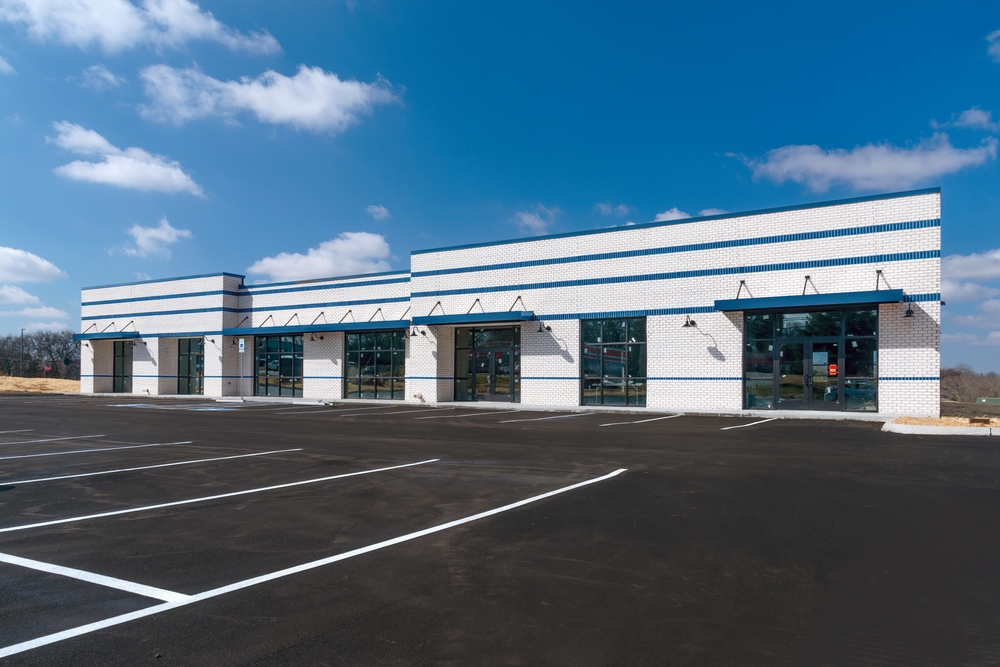
From flooring and lighting to plumbing, electrical work, walls and fixtures, a tenant build-out prepares a leased commercial space for a specific business. Understanding what that process involves—and who will manage it—can help business owners avoid costly surprises and establish a more realistic timeline for opening.
For businesses considering commercial space in Maryland, Delaware, Pennsylvania, Florida or Tennessee, the build-out should be part of the leasing conversation from the beginning.
What Is a Commercial Tenant Build-Out?
A commercial tenant build-out is the construction and customization required to make a leased space suitable for a tenant’s operations.
The scope can vary significantly depending on the property and the type of business moving in. A retail store, restaurant, medical office and professional services company may all require very different layouts, utilities and finishes.
A build-out may include:
- Interior walls and room configurations
- Flooring and ceilings
- Lighting and electrical work
- Plumbing
- HVAC modifications
- Fixtures and built-in features
- Signage
- Accessibility improvements
- Finishing work
Essentially, the build-out bridges the gap between the space that exists today and the space the business needs in order to operate.
Does Every Commercial Space Need the Same Type of Build-Out?
No. One of the most important factors affecting a commercial build-out is the condition of the property when the tenant takes possession.
A vanilla shell generally provides a basic finished space but may still require substantial customization for the incoming business. A cold shell is typically much less finished and can require considerably more construction before it is ready for occupancy.
A second-generation commercial space has already been occupied by another business. Existing infrastructure may be reusable, particularly when the previous and incoming tenants have similar needs. For example, taking over a former restaurant space may offer advantages for another food-service business if appropriate plumbing, electrical and other systems are already in place.
A turnkey space is prepared for the tenant with much of the necessary construction and finishing work completed before move-in.
Knowing what you’re starting with helps establish a much clearer picture of the investment and work required before opening.
Why Should You Discuss the Build-Out Before Signing a Commercial Lease?
Rent, square footage, visibility and location naturally receive a lot of attention during a commercial property search. The condition of the space deserves just as much consideration.
A property that initially appears affordable may require significant construction. Another location may have a higher rental rate but already include infrastructure that substantially reduces the work necessary to open.
Discussing the build-out early helps answer several important questions.
Who Is Paying for the Improvements?
Commercial leases can structure build-out costs in different ways. In some situations, a landlord may provide a tenant improvement allowance, commonly called a TI allowance, that contributes toward approved improvements.
In others, costs may be divided differently between the landlord and tenant.
The important thing is understanding those responsibilities before construction begins.
How Long Will the Build-Out Take?
A commercial build-out involves more than the construction itself.
Depending on the project, the timeline may include design decisions, contractor scheduling, permitting, material procurement, construction and inspections.
Businesses planning around a target opening date should understand the likely construction schedule before committing to that date.
Can the Existing Infrastructure Support Your Business?
A space can look perfect during a property tour and still require significant behind-the-scenes improvements.
Restaurants may need specialized plumbing, ventilation or electrical capacity. Retailers may require new lighting, displays or fitting rooms. Service businesses may need offices, treatment rooms or other customized areas.
Identifying those requirements early can prevent expensive changes once work is underway.
How Does a Turnkey Build-Out Make the Process Easier?
For many business owners, coordinating commercial construction is far outside their normal day-to-day responsibilities.
Finding contractors, comparing estimates, coordinating schedules and keeping a project moving can quickly become another job on top of preparing to launch a new location.
A landlord that offers turnkey commercial build-out services can simplify that process considerably.
Instead of leaving the tenant to coordinate every aspect of construction independently, the property owner can help oversee the work required to prepare the space.
That means fewer moving parts for the tenant and a more coordinated path from lease signing to opening day.
How Does Tomarchio Enterprises Help With Tenant Build-Outs?
At Tomarchio Enterprises, tenant support doesn’t end when the lease is signed.
We provide turnkey build-out and finishing solutions for commercial tenants across our portfolio, drawing on established relationships with trusted contractors to help coordinate the construction process.
Those existing relationships can provide several advantages.
More efficient coordination: Rather than beginning the contractor search from scratch, tenants benefit from an established network of professionals familiar with commercial construction.
Competitive pricing: Ongoing contractor relationships can help produce competitive bids and greater predictability when evaluating project costs.
A smoother path toward opening: With the build-out being coordinated alongside the leasing process, business owners can devote more of their attention to staffing, inventory, marketing and the other work required to launch a new location.
Our goal is to help turn an available commercial property into a space where a business can successfully operate.
What Should You Ask About a Build-Out Before Leasing?
When touring potential commercial properties, don’t wait until lease negotiations are nearly finished to discuss construction.
Ask questions such as:
- What is the current condition of the space?
- What improvements will my business require?
- Which improvements are the landlord’s responsibility?
- Which costs will I be responsible for?
- Is a tenant improvement allowance available?
- Does the property already have the electrical, plumbing and HVAC capacity my business requires?
- Who will coordinate contractors and construction?
- What permitting or inspections may be required?
- What is a realistic timeline for completing the space?
These conversations can help you compare potential properties based on the true cost and timeline of opening, rather than rent alone.
Choose a Commercial Space—and a Landlord—That Supports Your Business
The right commercial property is more than an address. It’s the place where your employees will work, your customers will visit and your business will grow.
That makes what happens after the lease is signed especially important.
Tomarchio Enterprises owns and manages commercial properties across Maryland, Delaware, Pennsylvania, Florida and Tennessee, including retail centers occupied by national brands and locally owned businesses. Our turnkey build-out capabilities allow us to work with tenants as they transform commercial space to meet their operational needs.
If you’re searching for commercial space for your next location, consider more than square footage and rental rates. Look for a property—and a landlord—that can help you navigate the transition from available space to opening day.
Looking for commercial space for your business? Contact Tomarchio Enterprises to explore available properties and learn more about our tenant build-out services.